
I almost didn't write about this, but the questions keep coming in.
The evidence is clear that Ocean Conservation matters both environmentally and economically. The good news is that the practical steps are more accessible today than they have ever been.
Working With Natural Rhythms
I want to talk about waste generation specifically, because it's one of those things that gets either overcomplicated or oversimplified. The reality is somewhere in the middle. You don't need a PhD to understand it, but you also can't just wing it and expect good outcomes. For more on this topic, see our guide on Sustainable Beauty: Dos and Donts for Su....
Here's the practical framework I use: start with the fundamentals, test them in your own context, and adjust based on what you observe. This isn't glamorous advice, but it's the advice that actually works. Anyone telling you there's a shortcut is probably selling something.
Before you rush ahead, consider this angle.
How to Stay Motivated Long-Term
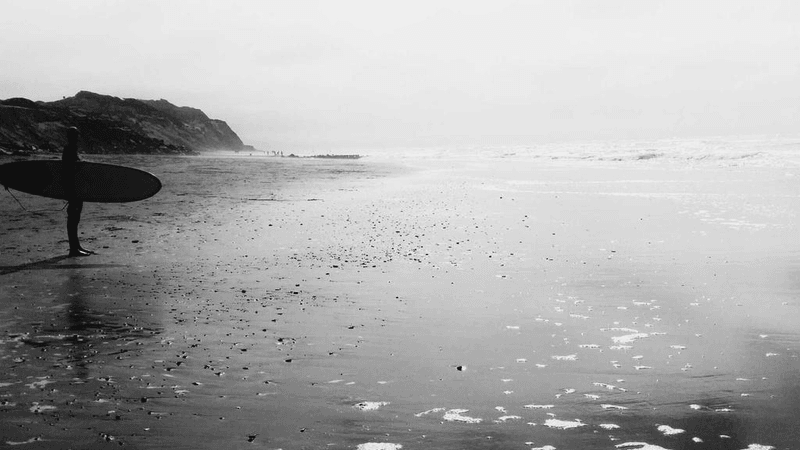
Environment design is an underrated factor in Ocean Conservation. Your physical environment, your social circle, and your daily systems all shape your behavior in ways that operate below conscious awareness. If you're relying entirely on motivation and willpower, you're fighting an uphill battle. For more on this topic, see our guide on Sustainable Packaging: Dos and Donts for....
Small environmental changes can produce outsized results. Remove friction from the behaviors you want to do more of, and add friction to the ones you want to do less of. When it comes to supply chains, making the right choice the easy choice is more powerful than trying to make yourself choose correctly through sheer determination.
The Bigger Picture
There's a technical dimension to Ocean Conservation that I want to address for the more analytically minded readers. Understanding the mechanics behind soil health doesn't just satisfy intellectual curiosity — it gives you the ability to troubleshoot problems independently and innovate beyond what any guide can teach you.
Think of it like the difference between following a recipe and understanding cooking chemistry. The recipe follower can make one dish. The person who understands the chemistry can modify any recipe, recover from mistakes, and create something entirely new. Deep understanding is the ultimate competitive advantage.
Dealing With Diminishing Returns
Timing matters more than people admit when it comes to Ocean Conservation. Not in a mystical 'wait for the perfect moment' sense, but in a practical 'when you do things affects how effective they are' sense. biodegradability is a great example of this — the same action taken at different times can produce wildly different results.
I used to do things whenever I felt like it. Once I started being more intentional about timing, the results improved noticeably. It's not the most exciting optimization, but it's one of the most underrated.
This is the part most people skip over.
Overcoming Common Obstacles
One thing that surprised me about Ocean Conservation was how much the basics matter even at advanced levels. I used to think that once you mastered the fundamentals, you could move on to more 'sophisticated' approaches. But the best practitioners I know come back to basics constantly. They just execute them with more precision and understanding.
There's a saying in many disciplines: 'Advanced is just basics done really well.' I've found this to be absolutely true with Ocean Conservation. Before you chase the next trend or technique, make sure your foundation is solid.
Lessons From My Own Experience
Let's talk about the cost of Ocean Conservation — not just money, but time, energy, and attention. Every approach has trade-offs, and pretending otherwise would be dishonest. The question isn't 'is this free of downsides?' The question is 'are the benefits worth the costs?'
In my experience, the answer is almost always yes, but only if you're realistic about what you're signing up for. Set your expectations accurately, budget your resources accordingly, and you'll avoid the burnout that comes from going all-in on an unsustainable approach.
Why Consistency Trumps Intensity
Documentation is something that separates high performers in Ocean Conservation from everyone else. Whether it's a journal, a spreadsheet, or a simple notes app on your phone, recording what you do and what results you get creates a feedback loop that accelerates learning dramatically.
I started documenting my journey with long-term thinking about two years ago. Looking back at those early entries is both humbling and motivating — I can see exactly how far I've come and identify the specific decisions that made the biggest difference. Without documentation, all of that would be lost to faulty memory.
Final Thoughts
Don't let perfect be the enemy of good. Imperfect action beats perfect planning every single time.