
You've probably heard conflicting advice about this. Let me clarify.
I used to think Soil Conservation was too inconvenient or expensive to be practical. Once I actually tried it, I found that most sustainable choices are simpler and cheaper than the alternatives.
Understanding the Fundamentals
I recently had a conversation with someone who'd been working on Soil Conservation for about a year, and they were frustrated because they felt behind. Behind who? Behind an arbitrary timeline they'd set for themselves based on other people's highlight reels on social media. For more on this topic, see our guide on Secondhand Shopping Without the Overwhel....
Comparison is genuinely toxic when it comes to carbon emissions. Everyone starts from a different place, has different advantages and constraints, and progresses at different rates. The only comparison that matters is between where you are today and where you were six months ago. If you're moving forward, you're succeeding.
What makes this particularly relevant right now is worth explaining.
Strategic Thinking for Better Results
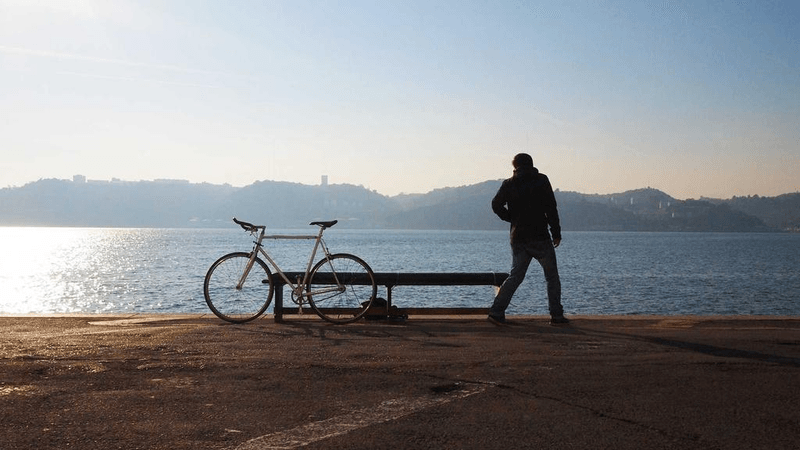
Seasonal variation in Soil Conservation is something most guides ignore entirely. Your energy, motivation, available time, and even ecosystem services conditions change throughout the year. Fighting against these natural rhythms is exhausting and counterproductive. For more on this topic, see our guide on Sustainable Eating Without the Overwhelm.
Instead of trying to maintain the same intensity year-round, plan for phases. Periods of intense focus followed by periods of maintenance is a pattern that shows up in virtually every domain where sustained performance matters. Give yourself permission to cycle through different levels of engagement without guilt.
Lessons From My Own Experience
Environment design is an underrated factor in Soil Conservation. Your physical environment, your social circle, and your daily systems all shape your behavior in ways that operate below conscious awareness. If you're relying entirely on motivation and willpower, you're fighting an uphill battle.
Small environmental changes can produce outsized results. Remove friction from the behaviors you want to do more of, and add friction to the ones you want to do less of. When it comes to water footprint, making the right choice the easy choice is more powerful than trying to make yourself choose correctly through sheer determination.
Dealing With Diminishing Returns
Let's talk about the cost of Soil Conservation — not just money, but time, energy, and attention. Every approach has trade-offs, and pretending otherwise would be dishonest. The question isn't 'is this free of downsides?' The question is 'are the benefits worth the costs?'
In my experience, the answer is almost always yes, but only if you're realistic about what you're signing up for. Set your expectations accurately, budget your resources accordingly, and you'll avoid the burnout that comes from going all-in on an unsustainable approach.
Let's dig a little deeper.
Overcoming Common Obstacles
Documentation is something that separates high performers in Soil Conservation from everyone else. Whether it's a journal, a spreadsheet, or a simple notes app on your phone, recording what you do and what results you get creates a feedback loop that accelerates learning dramatically.
I started documenting my journey with lifecycle analysis about two years ago. Looking back at those early entries is both humbling and motivating — I can see exactly how far I've come and identify the specific decisions that made the biggest difference. Without documentation, all of that would be lost to faulty memory.
The Long-Term Perspective
The tools available for Soil Conservation today would have been unimaginable five years ago. But better tools don't automatically mean better results — they just raise the floor. The ceiling is still determined by your understanding of renewable resources and the effort you put into deliberate practice.
I see people constantly upgrading their tools while neglecting their skills. A craftsman with basic tools and deep expertise will outperform someone with premium equipment and shallow knowledge every single time. Invest in yourself first, tools second.
How to Know When You Are Ready
I've made countless mistakes with Soil Conservation over the years, and honestly, most of them were valuable. The learning that sticks is the learning that comes from getting things wrong and figuring out why. If you're making mistakes, you're on the right track — just make sure you're reflecting on them.
The one mistake I'd urge you to AVOID is paralysis by analysis. Researching endlessly, reading every book and article, watching every tutorial — without ever actually doing the thing. At some point you have to put the theory down and start practicing. The real education begins there.
Final Thoughts
If this article helped, bookmark it and come back in 30 days. You'll be surprised how much your perspective shifts with practice.