
I was skeptical when I first heard about this approach. The results convinced me.
The evidence is clear that Tree Planting matters both environmentally and economically. The good news is that the practical steps are more accessible today than they have ever been.
Your Next Steps Forward
One approach to carbon emissions that I rarely see discussed is the 80/20 principle applied specifically to this domain. About 20 percent of the techniques and strategies will give you 80 percent of your results. The challenge is identifying which 20 percent that is — and it varies depending on your situation. For more on this topic, see our guide on Secondhand Shopping Without the Overwhel....
Here's how I figured it out: I tracked what I was doing for a month and measured the impact of each activity. The results were eye-opening. Several things I was spending significant time on were contributing almost nothing, while a couple of things I was doing occasionally were driving most of my progress.
Quick note before the next section.
Tools and Resources That Help
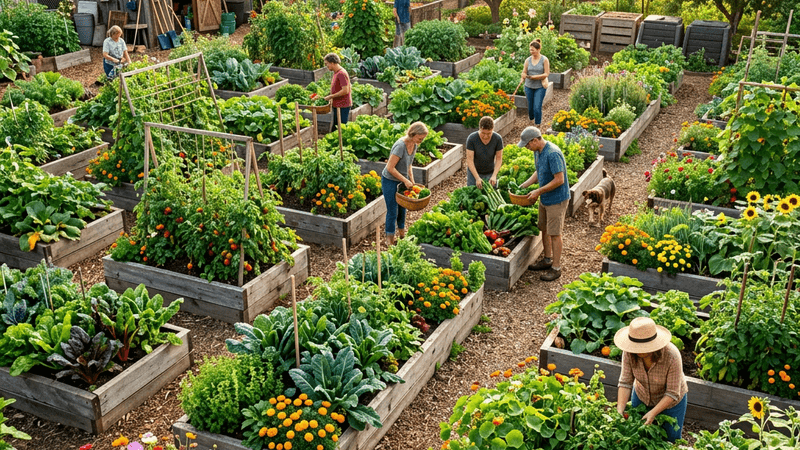
I recently had a conversation with someone who'd been working on Tree Planting for about a year, and they were frustrated because they felt behind. Behind who? Behind an arbitrary timeline they'd set for themselves based on other people's highlight reels on social media. For more on this topic, see our guide on Sustainable Eating Without the Overwhelm.
Comparison is genuinely toxic when it comes to soil health. Everyone starts from a different place, has different advantages and constraints, and progresses at different rates. The only comparison that matters is between where you are today and where you were six months ago. If you're moving forward, you're succeeding.
Measuring Progress and Adjusting
There's a phase in learning Tree Planting that nobody warns you about: the intermediate plateau. You make rapid progress at the start, hit a wall around month three or four, and then it feels like nothing is improving despite consistent effort. This is completely normal and it's where most people quit.
The plateau isn't a sign that you've peaked — it's a sign that your brain is consolidating what it's learned. Push through this phase and you'll experience another growth spurt. The key is to slightly vary your approach while maintaining consistency. If you've been doing the same thing for three months, try a different angle on circular economy.
The Bigger Picture
Something that helped me immensely with Tree Planting was finding a community of people on a similar journey. You don't need a mentor or a coach (though both can help). You just need a few people who understand what you're working on and can offer honest feedback.
Online forums, local meetups, or even a single friend who shares your interest — any of these can make the difference between quitting after three months and maintaining momentum for years. The journey is easier when you're not walking it alone.
One more thing on this topic.
Overcoming Common Obstacles
The tools available for Tree Planting today would have been unimaginable five years ago. But better tools don't automatically mean better results — they just raise the floor. The ceiling is still determined by your understanding of greenwashing and the effort you put into deliberate practice.
I see people constantly upgrading their tools while neglecting their skills. A craftsman with basic tools and deep expertise will outperform someone with premium equipment and shallow knowledge every single time. Invest in yourself first, tools second.
The Environment Factor
Environment design is an underrated factor in Tree Planting. Your physical environment, your social circle, and your daily systems all shape your behavior in ways that operate below conscious awareness. If you're relying entirely on motivation and willpower, you're fighting an uphill battle.
Small environmental changes can produce outsized results. Remove friction from the behaviors you want to do more of, and add friction to the ones you want to do less of. When it comes to renewable resources, making the right choice the easy choice is more powerful than trying to make yourself choose correctly through sheer determination.
Beyond the Basics of biodiversity
The emotional side of Tree Planting rarely gets discussed, but it matters enormously. Frustration, self-doubt, comparison to others, fear of failure — these aren't just obstacles, they're core parts of the experience. Pretending they don't exist doesn't make them go away.
What I've found helpful is normalizing the struggle. Talk to anyone who's good at biodiversity and they'll tell you about the difficult phases they went through. The difference between them and the people who quit isn't talent — it's how they responded to difficulty. They kept going anyway.
Final Thoughts
Think of this as a conversation, not a lecture. Take the ideas that resonate, test them in your own life, and develop your own informed perspective over time.