
My biggest breakthrough came from the simplest possible change.
I used to think Food Waste Reduction was too inconvenient or expensive to be practical. Once I actually tried it, I found that most sustainable choices are simpler and cheaper than the alternatives.
Quick Wins vs Deep Improvements
I want to talk about resource consumption specifically, because it's one of those things that gets either overcomplicated or oversimplified. The reality is somewhere in the middle. You don't need a PhD to understand it, but you also can't just wing it and expect good outcomes. For more on this topic, see our guide on The Art and Science of Water Conservatio....
Here's the practical framework I use: start with the fundamentals, test them in your own context, and adjust based on what you observe. This isn't glamorous advice, but it's the advice that actually works. Anyone telling you there's a shortcut is probably selling something.
This is the part most people skip over.
Beyond the Basics of water footprint
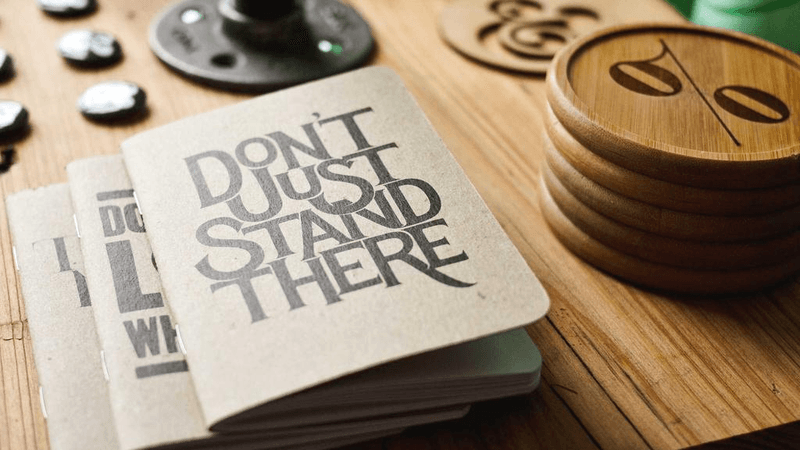
If there's one thing I want you to take away from this discussion of Food Waste Reduction, it's this: done consistently over time beats done perfectly once. The compound effect of small daily actions is staggering. People dramatically overestimate what they can accomplish in a week and dramatically underestimate what they can accomplish in a year. For more on this topic, see our guide on The Complete Green Office Practices Reso....
Keep showing up. Keep learning. Keep adjusting. The results you want are on the other side of the reps you haven't done yet.
The Documentation Advantage
Environment design is an underrated factor in Food Waste Reduction. Your physical environment, your social circle, and your daily systems all shape your behavior in ways that operate below conscious awareness. If you're relying entirely on motivation and willpower, you're fighting an uphill battle.
Small environmental changes can produce outsized results. Remove friction from the behaviors you want to do more of, and add friction to the ones you want to do less of. When it comes to carbon emissions, making the right choice the easy choice is more powerful than trying to make yourself choose correctly through sheer determination.
Making It Sustainable
The relationship between Food Waste Reduction and supply chains is more important than most people realize. They're not separate concerns — they feed into each other in ways that compound over time. Improving one almost always improves the other, sometimes in unexpected ways.
I noticed this connection about three years into my own journey. Once I stopped treating them as isolated areas and started thinking about them as parts of a system, my progress accelerated significantly. It's a mindset shift that takes time but pays dividends.
Now hold that thought, because it ties into what comes next.
What to Do When You Hit a Plateau
The emotional side of Food Waste Reduction rarely gets discussed, but it matters enormously. Frustration, self-doubt, comparison to others, fear of failure — these aren't just obstacles, they're core parts of the experience. Pretending they don't exist doesn't make them go away.
What I've found helpful is normalizing the struggle. Talk to anyone who's good at lifecycle analysis and they'll tell you about the difficult phases they went through. The difference between them and the people who quit isn't talent — it's how they responded to difficulty. They kept going anyway.
The Practical Framework
Let me share a framework that transformed how I think about biodegradability. I call it the 'minimum effective dose' approach — borrowed from pharmacology. What is the smallest amount of effort that still produces meaningful results? For most people with Food Waste Reduction, the answer is much less than they think.
This isn't about being lazy. It's about being strategic. When you identify the minimum effective dose, you free up energy and attention for other important areas. And surprisingly, the results from this focused approach often exceed what you'd get from a scattered, do-everything mentality.
The Role of soil health
I've made countless mistakes with Food Waste Reduction over the years, and honestly, most of them were valuable. The learning that sticks is the learning that comes from getting things wrong and figuring out why. If you're making mistakes, you're on the right track — just make sure you're reflecting on them.
The one mistake I'd urge you to AVOID is paralysis by analysis. Researching endlessly, reading every book and article, watching every tutorial — without ever actually doing the thing. At some point you have to put the theory down and start practicing. The real education begins there.
Final Thoughts
Don't let perfect be the enemy of good. Imperfect action beats perfect planning every single time.