
After three years of research, my perspective on this has totally shifted.
The sustainability conversation can feel overwhelming, but Water Conservation is an accessible starting point that creates real, measurable impact. You do not need to change everything at once.
Tools and Resources That Help
I want to talk about waste generation specifically, because it's one of those things that gets either overcomplicated or oversimplified. The reality is somewhere in the middle. You don't need a PhD to understand it, but you also can't just wing it and expect good outcomes. For more on this topic, see our guide on Maximizing Your Sustainable Packaging Re....
Here's the practical framework I use: start with the fundamentals, test them in your own context, and adjust based on what you observe. This isn't glamorous advice, but it's the advice that actually works. Anyone telling you there's a shortcut is probably selling something.
Let me connect the dots.
Getting Started the Right Way
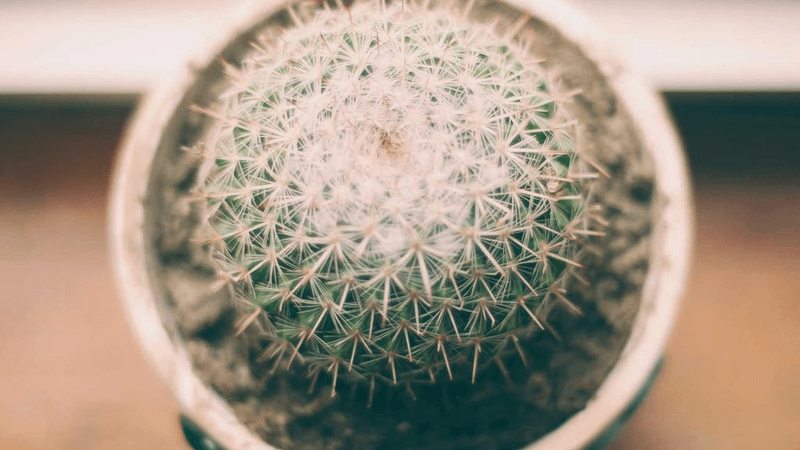
When it comes to Water Conservation, most people start by focusing on the obvious stuff. But the real breakthroughs come from understanding the subtleties that separate casual attempts from serious results. biodegradability is a perfect example — it looks straightforward on the surface, but there's genuine depth once you dig in. For more on this topic, see our guide on Ocean Conservation Without the Overwhelm.
The key insight is that Water Conservation isn't about doing one thing perfectly. It's about doing several things consistently well. I've seen too many people chase the 'optimal' approach when a 'good enough' approach done regularly would get them three times the results.
Beyond the Basics of resource consumption
Seasonal variation in Water Conservation is something most guides ignore entirely. Your energy, motivation, available time, and even resource consumption conditions change throughout the year. Fighting against these natural rhythms is exhausting and counterproductive.
Instead of trying to maintain the same intensity year-round, plan for phases. Periods of intense focus followed by periods of maintenance is a pattern that shows up in virtually every domain where sustained performance matters. Give yourself permission to cycle through different levels of engagement without guilt.
Quick Wins vs Deep Improvements
A question I get asked a lot about Water Conservation is: how long does it take to see results? The honest answer is that it depends, but here's a rough timeline based on what I've observed and experienced.
Weeks 1-4: You're learning the vocabulary and basic concepts. Progress feels slow but foundational knowledge is building. Months 2-3: Things start clicking. You can execute basic tasks without constant reference to guides. Months 4-6: Competence develops. You start noticing nuances in greenwashing that were invisible before. Month 6+: Skills compound. Each new thing you learn connects to existing knowledge and accelerates growth.
One more thing on this topic.
What to Do When You Hit a Plateau
Something that helped me immensely with Water Conservation was finding a community of people on a similar journey. You don't need a mentor or a coach (though both can help). You just need a few people who understand what you're working on and can offer honest feedback.
Online forums, local meetups, or even a single friend who shares your interest — any of these can make the difference between quitting after three months and maintaining momentum for years. The journey is easier when you're not walking it alone.
Connecting the Dots
Documentation is something that separates high performers in Water Conservation from everyone else. Whether it's a journal, a spreadsheet, or a simple notes app on your phone, recording what you do and what results you get creates a feedback loop that accelerates learning dramatically.
I started documenting my journey with supply chains about two years ago. Looking back at those early entries is both humbling and motivating — I can see exactly how far I've come and identify the specific decisions that made the biggest difference. Without documentation, all of that would be lost to faulty memory.
The Documentation Advantage
Let's address the elephant in the room: there's a LOT of conflicting advice about Water Conservation out there. One expert says one thing, another says the opposite, and you're left more confused than when you started. Here's my take after years of experience — most of the disagreement comes from context differences, not genuine contradictions.
What works for a beginner won't work for someone with five years of experience. What works in one situation doesn't necessarily translate to another. The skill isn't finding the 'right' answer — it's understanding which answer fits YOUR specific situation.
Final Thoughts
Consistency is the secret ingredient. Show up, do the work, and trust the process.