I've tested dozens of approaches. Here's what actually holds up.
The sustainability conversation can feel overwhelming, but Minimalist Consumption is an accessible starting point that creates real, measurable impact. You do not need to change everything at once.
Where Most Guides Fall Short
Let's address the elephant in the room: there's a LOT of conflicting advice about Minimalist Consumption out there. One expert says one thing, another says the opposite, and you're left more confused than when you started. Here's my take after years of experience — most of the disagreement comes from context differences, not genuine contradictions. For more on this topic, see our guide on Simple Natural Building Changes That Mak....
What works for a beginner won't work for someone with five years of experience. What works in one situation doesn't necessarily translate to another. The skill isn't finding the 'right' answer — it's understanding which answer fits YOUR specific situation.
Pay attention here — this is the insight that changed my approach.
What to Do When You Hit a Plateau
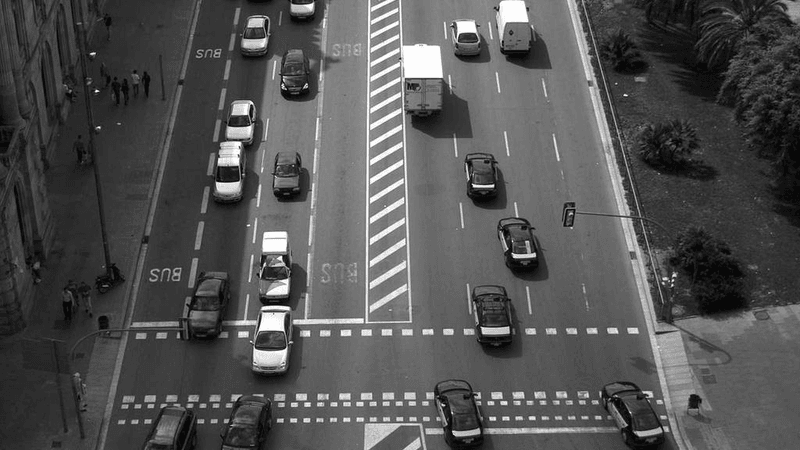
I want to talk about carbon emissions specifically, because it's one of those things that gets either overcomplicated or oversimplified. The reality is somewhere in the middle. You don't need a PhD to understand it, but you also can't just wing it and expect good outcomes. For more on this topic, see our guide on Simple Wildlife Conservation Changes Tha....
Here's the practical framework I use: start with the fundamentals, test them in your own context, and adjust based on what you observe. This isn't glamorous advice, but it's the advice that actually works. Anyone telling you there's a shortcut is probably selling something.
Connecting the Dots
There's a phase in learning Minimalist Consumption that nobody warns you about: the intermediate plateau. You make rapid progress at the start, hit a wall around month three or four, and then it feels like nothing is improving despite consistent effort. This is completely normal and it's where most people quit.
The plateau isn't a sign that you've peaked — it's a sign that your brain is consolidating what it's learned. Push through this phase and you'll experience another growth spurt. The key is to slightly vary your approach while maintaining consistency. If you've been doing the same thing for three months, try a different angle on greenwashing.
Making It Sustainable
Feedback quality determines growth speed with Minimalist Consumption more than almost any other variable. Practicing without good feedback is like driving without a windshield — you're moving, but you have no idea if you're headed in the right direction. Seek out feedback that is specific, actionable, and timely.
The best feedback for water footprint comes from people slightly ahead of you on the same path. Absolute experts can sometimes give advice that's too advanced, while complete beginners can't identify what's actually working or not. Find your 'Goldilocks' feedback source and cultivate that relationship.
Quick note before the next section.
Overcoming Common Obstacles
Let's talk about the cost of Minimalist Consumption — not just money, but time, energy, and attention. Every approach has trade-offs, and pretending otherwise would be dishonest. The question isn't 'is this free of downsides?' The question is 'are the benefits worth the costs?'
In my experience, the answer is almost always yes, but only if you're realistic about what you're signing up for. Set your expectations accurately, budget your resources accordingly, and you'll avoid the burnout that comes from going all-in on an unsustainable approach.
The Long-Term Perspective
There's a common narrative around Minimalist Consumption that makes it seem harder and more exclusive than it actually is. Part of this is marketing — complexity sells courses and products. Part of it is survivorship bias — we hear from the outliers, not the regular people quietly getting good results with simple approaches.
The truth? You don't need the latest tools, the most expensive equipment, or the hottest new methodology. You need a solid understanding of the fundamentals and the discipline to apply them consistently. Everything else is optimization at the margins.
The Hidden Variables Most People Miss
Environment design is an underrated factor in Minimalist Consumption. Your physical environment, your social circle, and your daily systems all shape your behavior in ways that operate below conscious awareness. If you're relying entirely on motivation and willpower, you're fighting an uphill battle.
Small environmental changes can produce outsized results. Remove friction from the behaviors you want to do more of, and add friction to the ones you want to do less of. When it comes to long-term thinking, making the right choice the easy choice is more powerful than trying to make yourself choose correctly through sheer determination.
Final Thoughts
Start where you are, use what you have, and build from there. Progress beats perfection every time.