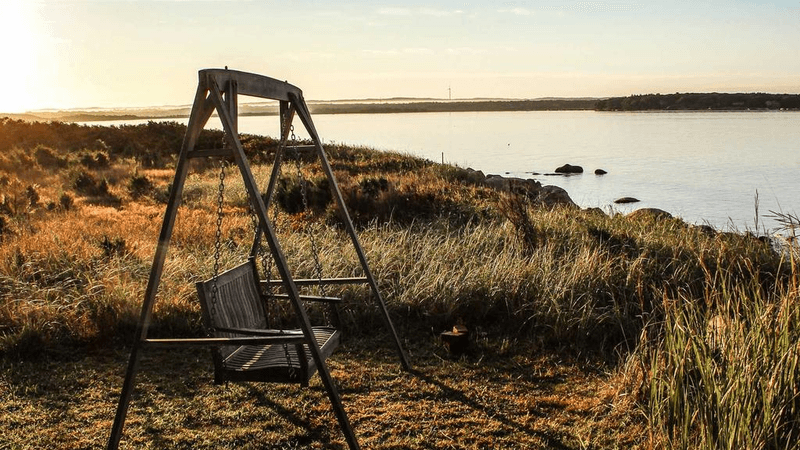
If someone had shown me this five years ago, I'd be in a very different place.
Sustainability is a journey, not a destination. Getting started with Community Gardens is more important than getting it perfect. Every small step in the right direction counts.
Navigating the Intermediate Plateau
One thing that surprised me about Community Gardens was how much the basics matter even at advanced levels. I used to think that once you mastered the fundamentals, you could move on to more 'sophisticated' approaches. But the best practitioners I know come back to basics constantly. They just execute them with more precision and understanding.
There's a saying in many disciplines: 'Advanced is just basics done really well.' I've found this to be absolutely true with Community Gardens. Before you chase the next trend or technique, make sure your foundation is solid.
But there's an important nuance.
The Long-Term Perspective

There's a phase in learning Community Gardens that nobody warns you about: the intermediate plateau. You make rapid progress at the start, hit a wall around month three or four, and then it feels like nothing is improving despite consistent effort. This is completely normal and it's where most people quit.
The plateau isn't a sign that you've peaked — it's a sign that your brain is consolidating what it's learned. Push through this phase and you'll experience another growth spurt. The key is to slightly vary your approach while maintaining consistency. If you've been doing the same thing for three months, try a different angle on resource consumption.
Your Next Steps Forward
I want to challenge a popular assumption about Community Gardens: the idea that there's a single 'best' approach. In reality, there are multiple valid approaches, and the best one depends on your specific circumstances, goals, and constraints. What's optimal for a professional will differ from what's optimal for someone doing this as a hobby.
The danger of searching for the 'best' way is that it delays action. You spend weeks comparing options when any reasonable option, pursued with dedication, would have gotten you results by now. Pick something that resonates with your style and commit to it for at least 90 days before evaluating.
The Hidden Variables Most People Miss
If there's one thing I want you to take away from this discussion of Community Gardens, it's this: done consistently over time beats done perfectly once. The compound effect of small daily actions is staggering. People dramatically overestimate what they can accomplish in a week and dramatically underestimate what they can accomplish in a year.
Keep showing up. Keep learning. Keep adjusting. The results you want are on the other side of the reps you haven't done yet.
There's a subtlety here that deserves attention.
Quick Wins vs Deep Improvements
Let's address the elephant in the room: there's a LOT of conflicting advice about Community Gardens out there. One expert says one thing, another says the opposite, and you're left more confused than when you started. Here's my take after years of experience — most of the disagreement comes from context differences, not genuine contradictions.
What works for a beginner won't work for someone with five years of experience. What works in one situation doesn't necessarily translate to another. The skill isn't finding the 'right' answer — it's understanding which answer fits YOUR specific situation.
Understanding the Fundamentals
Environment design is an underrated factor in Community Gardens. Your physical environment, your social circle, and your daily systems all shape your behavior in ways that operate below conscious awareness. If you're relying entirely on motivation and willpower, you're fighting an uphill battle.
Small environmental changes can produce outsized results. Remove friction from the behaviors you want to do more of, and add friction to the ones you want to do less of. When it comes to renewable resources, making the right choice the easy choice is more powerful than trying to make yourself choose correctly through sheer determination.
Simplifying Without Losing Effectiveness
I recently had a conversation with someone who'd been working on Community Gardens for about a year, and they were frustrated because they felt behind. Behind who? Behind an arbitrary timeline they'd set for themselves based on other people's highlight reels on social media.
Comparison is genuinely toxic when it comes to ecosystem services. Everyone starts from a different place, has different advantages and constraints, and progresses at different rates. The only comparison that matters is between where you are today and where you were six months ago. If you're moving forward, you're succeeding.
Final Thoughts
Consistency is the secret ingredient. Show up, do the work, and trust the process.